
Thinking Deeply About Children:
Katrina Nousaine Mann’s Â鶹´«Ă˝Ół» Story
The Education Director reflects on co-operative learning, thoughtful teaching, and what children carry with them beyond preschool.
Katrina Nousaine Mann’s path to early childhood education didn’t begin in a classroom—it began in a swimming pool.
While teaching lessons to swim team-aged kids, she was unexpectedly asked to work with preschoolers, a role she initially resisted. But once she jumped in, she was hooked. Katrina found herself thinking constantly about the children she worked with, designing activities just for them, and realized that supporting young learners wasn’t just enjoyable—it was meaningful.
“I thought, well, maybe I'd like to do this as a career,” Katrina says. That experience planted the seed for what would become a lifelong career devoted to early childhood education.
A First Observation That Changed Everything
Katrina first set foot in a Â鶹´«Ă˝Ół» classroom about 25 years ago, when she observed classroom happenings as part of her education coursework. She knew she had found something special right away.
“Kids were treated so respectfully and were so engaged at school,” Katrina reflects, and they were supported by teachers who were curious about who each child was and what they needed.
That first observation led to a Â鶹´«Ă˝Ół» summer camp position, then to her role as a Junior Kindergarten assistant teacher—marking the start of a long and evolving relationship with the school. Over the years, Katrina has been a Â鶹´«Ă˝Ół» teacher, parent, substitute and now the Education Director.
What initially drew Katrina to Â鶹´«Ă˝Ół»â€”and what she says continues to set it apart—is the way educators think deeply about children. Teachers don’t rush to conclusions; instead, they observe carefully, reflect thoughtfully and design experiences rooted in curiosity and research. Early in her career, Katrina benefited enormously from working alongside both veteran and new teachers who talked openly about their practice, discussed ideas and grounded decisions in child development research. That culture of inquiry, collaboration and respect remains a hallmark of Â鶹´«Ă˝Ół» today.
“This is a place that's really supporting kids in their development and really listening to what kids are bringing to the table and respecting them,” Katrina says. “It affirmed my desire to also do that.”
Today, as Education Director, Katrina’s work touches every part of the Â鶹´«Ă˝Ół» community. She spends time in classrooms observing, supporting teachers and identifying developmental needs early. She meets regularly with teaching teams to discuss curriculum, classroom dynamics and ways to improve children’s experiences. Katrina also works closely with parents—whether helping them navigate school choice, talk through concerns or better understand their child’s development. She leads parent education programming, coordinates with outside specialists and supports professional development, especially for newer educators building their foundation in child development.
The Power of Learning Together
Katrina notes that the cooperative model plays a central role in the development of students and parents alike, and it helps to create an environment at Â鶹´«Ă˝Ół» that is unique from the more than three dozen preschool classrooms she’s entered over her career. By being in the classroom, families see firsthand how teachers support students as they are developing confidence, feelings, friendships and an understanding of others’ perspectives.
“Parents are in the classroom with their kids watching them go through these developmental trajectories, and you’re able to watch the way teachers are supporting it,” she says. “I also think there's something powerful about seeing how even the most challenging behavior in the classroom isn't really phasing teachers,” she adds.
When Katrina reflects on what families tell her they value most about their time at Â鶹´«Ă˝Ół», connection is what she comes back to—connection to teachers, to other families and to their child’s daily experience. Alumni parents frequently speak about how nurtured they felt, how much they learned by participating in the classroom and how much they miss that closeness once their children move on. Years later, memories of beloved classroom materials, routines and spaces still bring smiles and nostalgia.
Rooted in Values, Growing with Purpose
For Katrina, the future of Â鶹´«Ă˝Ół» is both grounded and hopeful. As the school grows and evolves, she sees innovation as an opportunity to reaffirm its core values and deepen its commitment to best practices in early childhood education. It’s that thoughtful balance—between reflection and growth, consistency and change—that keeps Â鶹´«Ă˝Ół» true to its mission and makes it such a special place for children, families and educators alike.
“I think the hardiness of everyone in this organization to really think deeply about what we're doing, why we're doing it and what's working and what we need to change is what will keep us true to our mission,” she says.
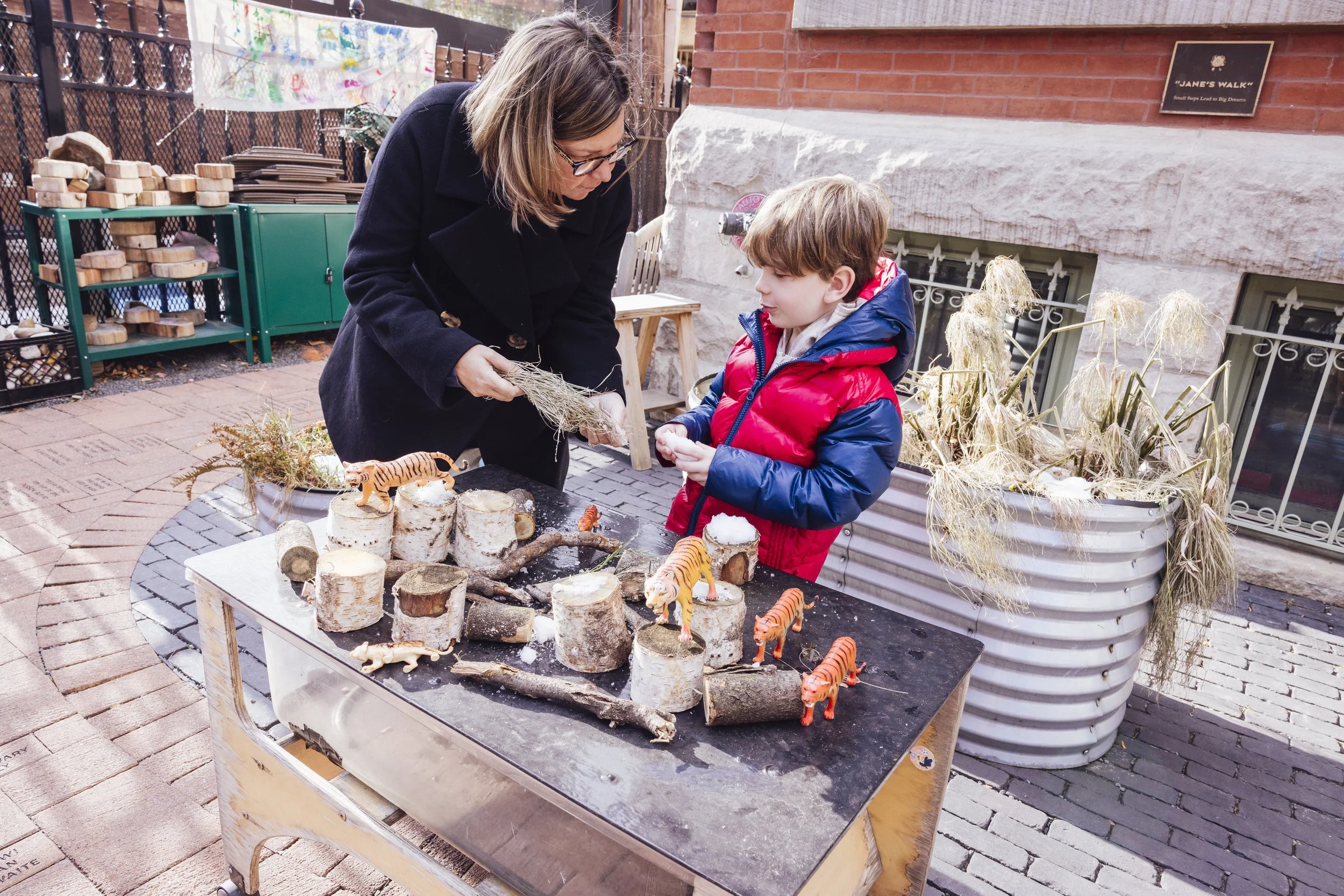
Looking ahead, Katrina hopes families carry one enduring truth with them after they leave Â鶹´«Ă˝Ół»: that their children were truly known, cherished and deeply loved here. Â鶹´«Ă˝Ół» is a place where educators commit to understanding each child for who they are—and that sense of being seen and valued is something Katrina believes stays with families long after the preschool years end.
“This is a place that really knew your child and loved them for who they were,” she says.